Pain is the essential indicator that hijacks a shift. It complicates triage, clouds evaluation, and, when handled poorly, wears down individual count on. Yet couple of medical professionals get thorough training hurting scientific research and practical analgesia beyond the essentials of ladder-based prescribing. The appropriate short program can shut that void without derailing your timetable, supplying focused frameworks you can repossess to facility tomorrow. The most effective choices blend pharmacology and procedural abilities with communication, risk reduction, and documents, then honor a pain management certificate that brings weight with companies and regulators.
This guide draws on years of functioning alongside emergency situation medical professionals, pain physicians, nurses, and allied health and wellness medical professionals who deal with pain at every phase, from the first IV morphine press to long-game rehabilitation. It will assist you pick a discomfort administration course that fits your scope and your fact, whether you function nights in ED, run a hectic general method, or help individuals relocate again as a physiotherapist.
Why clinicians try to find short training courses now
Two points can be real simultaneously. Analgesia conserves lives and protects feature, and analgesia can harm if we overreach or ignore threat. Over the last years, prescribing has actually tightened up, policies have actually stiffened, and people have more intricate multimorbidity. That expanding stress appears in the ward when an individual with chronic neck and back pain requires safe postoperative control, or in the area when somebody that attempted an on the internet health and fitness difficulty presents with tendinopathy and a history of depression.
Short courses in pain monitoring satisfy clinicians where they are. An excellent program updates your mental versions, not simply your drug doses. It makes clear when to utilize ketamine as opposed to intensifying opioids, exactly how to counsel on expectations, and how to document decisions that could be evaluated later. For nurses and physiotherapists, targeted pain administration training expands extent within risk-free limits and highlights where partnership makes treatment better.
The makeup of a high‑value discomfort management course
The best discomfort monitoring programs, whether marketed as a discomfort management accreditation program or a certificate program suffering monitoring, share a few attributes. They align with professional truth, they incorporate evidence with lived experience, and they make time count.
Expect the following pillars:
- Pragmatic pharmacology. Not just devices, yet side-by-side comparisons of oral, IV, and regional choices with context. As an example, when to use dental NSAIDs for kidney colic versus IV ketorolac, or how to dose intranasal fentanyl in a kid with a lower arm crack when IV gain access to can wait. Multimodal strategy. Actual instances that incorporate acetaminophen, NSAIDs, regional techniques, and, if needed, low-dose ketamine or opioids. Programs that model these plans help you move beyond single-agent thinking. Communication and assumption setting. Brief scripts and role-play for acute and persistent contexts. You learn exactly how to clarify useful goals and durations, established borders around opioids, and line up strategies with a patient's story. Documentation and danger oversight. Clear support on threat tools, pee drug screening when proper, PDMP checks where they exist, and treatment contracts, without turning the go to into a checklist exercise. Procedural direct exposure. For ED and urgent care, emergency pain management usually includes ultrasound-guided nerve blocks, hematoma blocks, and inhaled analgesia. Even a half-day laboratory makes a measurable difference on your next shift.
When a program asserts to provide discomfort administration accreditation, search for transparent learning purposes, called faculty with clinical technique, analysis past attendance, and a certificate that states proficiencies, not simply hours.
Matching course types to extent and setting
Pain looks various in each clinic, and so ought to training.
Acute care and ED. Emergency situation clinicians need rate, methods, and step-by-step skills. A brief emergency discomfort administration training course that educates you to perform a fascia iliaca block, manage extreme migraine with non-opioid paths, and make use of low-dose ketamine safely will repay itself within a few changes. Simulation that includes managing hypotension after IV opioids or frustration with ketamine is invaluable.
Primary care and healthcare facility medication. Below the obstacle is continuity. You need a framework for severe on persistent pain, post-op pain in individuals already on long-term opioids, and tapering discussions. A certification training course hurting management that includes deprescribing approaches, non-pharmacologic methods, and shared choice making will tighten your practice.
Nursing. Discomfort management training for registered nurses should highlight analysis scales across populaces, titration procedures, PCA safety and security, and non-pharmacologic strategies like assisted breathing or cold and heat therapy. Discomfort administration courses for registered nurses that consist of scenario-based knowing on delirium danger, breathing monitoring, and paperwork decrease negative occasions and enhance person satisfaction.
Physiotherapy and allied wellness. Discomfort management programs for physio therapists are most practical when they convert discomfort neuroscience right into scientific language patients recognize. Expect modules on rated exposure, pacing plans, flare-up administration, and exactly how to collaborate with prescribers. If the program includes brief motivational talking to practice, you will utilize it every day.
Advanced students and GPs with special rate of interest. A pain administration qualification program that includes fundamental interventional concepts, opiate stewardship, and pathways for neuropathic discomfort will place you as a regional source. Excellent programs also reveal when to refer and just how to coordinate with addiction services.
A more detailed check out PUAEme008 and prompt care
Many clinicians encounter the code PUAEME008 in course descriptions. In several territories, this device focuses on supplying discomfort monitoring in prehospital or initial action contexts. If your method consists of out-of-hospital treatment, remote clinics, event medication, or industrial sites, a puaeme008 provide discomfort monitoring unit can be the core you need.
The puaeme008 unit typically covers:
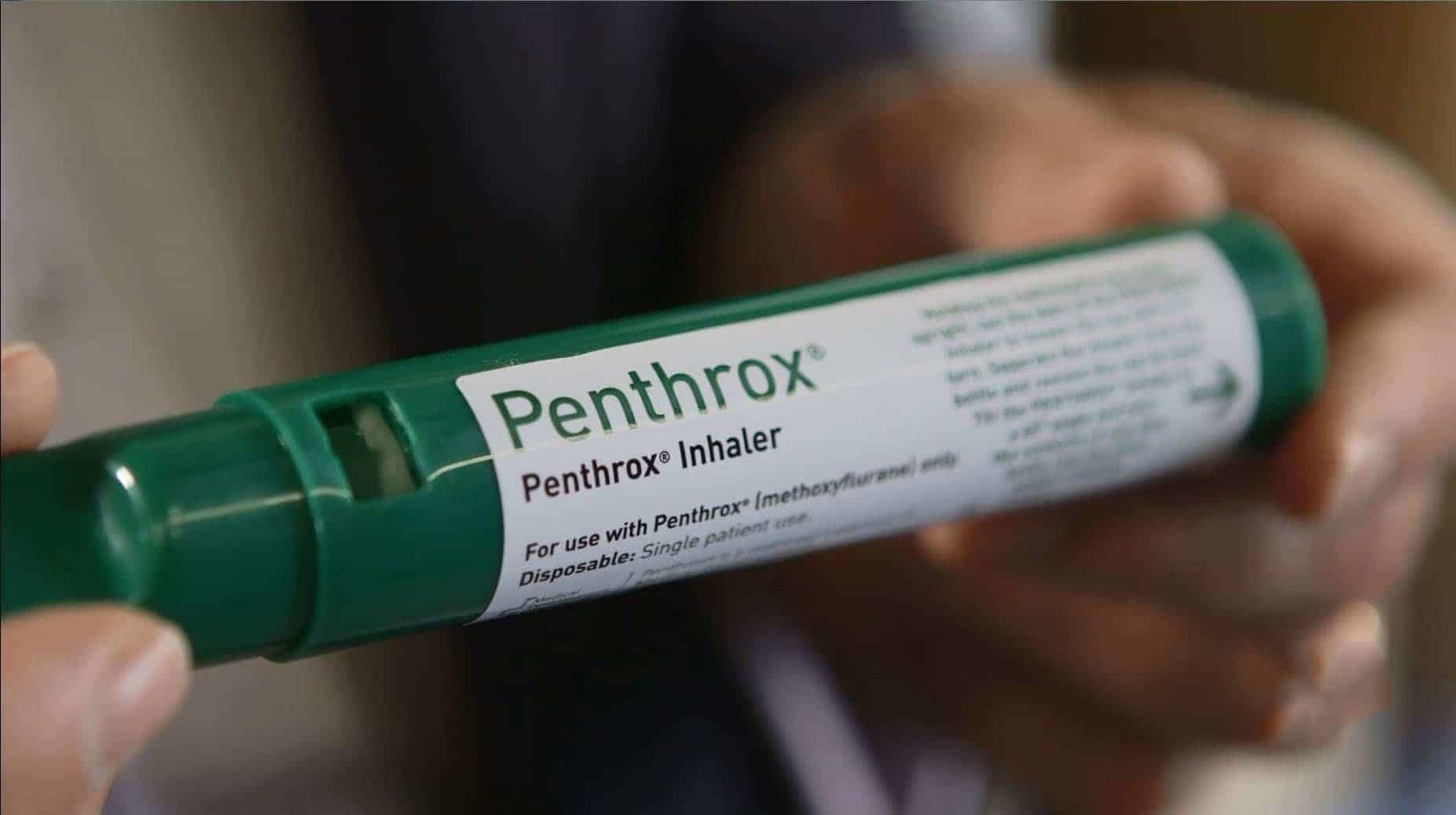
- Rapid pain assessment, including verbal and functional scales throughout ages. Safe use breathed in analgesia like methoxyflurane, intranasal fentanyl, and IM or IV options within scope. Contraindications and red flags for time-critical transfer, such as compartment syndrome threat, stomach disasters, or developing neurologic deficit. Documentation needed for handover and lawful protection. Scene and team safety, including managing onlookers and managing minimal resources.
If you prepare to offer pain management course content for first -responders or paramedics, inspect that your shipment maps to puaeme008 requirements, includes monitored abilities confirmation, and describes medicines within the -responders' legal extent. Programs that straighten with puaeme008 supply pain management are particularly beneficial to facility-based medical professionals who occasionally operate in ascetic environments.
What "accreditation" actually means
The language around discomfort monitoring certificate and pain management qualification can be unsafe. Some programs give a certification of conclusion for continuing education hours. Others give an official credential identified by an university or board. Both can aid, however they offer different purposes.
Ask short courses in pain management three concerns:
- Who recognizes the certificate? If it is supported by a professional college, a nursing board, or a healthcare system, it is most likely to affect credentialing or privileges. What expertises are evaluated? Presence is not competence. Seek skills checklists, case-based examinations, or OSCE-style assessments. How long is the acknowledgment valid? A certificate that ends after two years pushes you to freshen as guidelines change.
Short training courses suffering monitoring that culminate in qualified accreditation signal to your team that you have actually invested in an ability beyond baseline training. For registered nurses, this can sustain expanded obligations with PCAs or step-by-step sedation tracking. For physiotherapists, it might sustain sophisticated duties in relentless pain programs. For physicians, it might help when bargaining procedures or chairing a discomfort stewardship committee.
What you can find out in a weekend break that still matters a year later
A two-day discomfort administration training can hardwire behaviors if the content is secured to professional minutes you acknowledge. Think about a couple of examples from practice.
Migraine in the ED. A training course that instructs a procedure using IV liquids, metoclopramide, magnesium, and ketorolac decreases opioid exposure and enhances throughput. You discover to look for akathisia and treat it preemptively with diphenhydramine. You obtain scripting for discharge that covers triggers, step-up plans, and when to return.
Hip crack in the elderly. Ultrasound-guided fascia iliaca obstructs can cut opioid doses by fifty percent or even more. In an abilities lab, you practice probe handling, recognize the femoral artery, and view local anesthetic spread. Following shift, a patient with a neck-of-femur crack becomes cleared up within 20 mins, with fewer episodes of delirium overnight.

Neuropathic pain in health care. Rather than layering weak opioids over gabapentinoids, you learn a pathway that starts with education, rest health, and duloxetine or low-dose TCAs with clear surveillance. You plan a two-step follow-up and established a useful metric, such as 15 mins longer on the exercise bike within 6 weeks.
Acute reduced back pain with red flags absent. You exercise a five-minute explanation of discomfort physiology, assuring language about the natural training course, a short prescription for NSAIDs if endured, and a return-to-activity strategy. You avoid unnecessary imaging and outfit the person with warning signs for re-evaluation.
These gains gather. After a reputable discomfort management training program, your prescribing profile adjustments, your paperwork tightens up, and your clients really feel even more heard.
Choosing amongst layouts without losing a week of clinic
Time is the restraint. Programs that stabilize online sessions with self-paced modules yield the best retention for busy clinicians.
Live workshops. Hands-on elements matter for nerve blocks, inhaled analgesia configuration, and PCA tool programming. If you require procedural confidence, prioritize at the very least one full day of in-person skills exercise with faculty feedback.
Synchronous online sessions. Good for situation discussions, role-play, and debriefing complicated scenarios. Outbreak areas that simulate consults or hard discussions are remarkably effective.
Asynchronous components. Pharmacology updates, standard summaries, and paperwork criteria translate well to video clip and reading. Search for a platform that tracks development and enables quick referral later.
Hybrid versions frequently offer you the sensible advantages without travel. For instance, an emergency situation pain administration workshop might deliver pre-course videos on ketamine physiology, after that concentrate real-time time on sedation checklists and nerve block technique.
Pitfalls to stay clear of when scanning brochures
Marketing language can cover the actual worth. Concentrate on signals of depth and integrity.
Faculty with energetic clinical functions. A pharmacologist who still takes call or a nurse instructor with current ward experience will certainly anticipate your discomfort points.
Case granularity. Obscure cases rarely transform practice. Look for programs that compel you to choose with incomplete data, defend your strategy, and assess outcomes.
Scope clarity. Pain monitoring training courses for nurses ought to not imply independent prescribing if your jurisdiction does not allow it. Pain monitoring programs for physio therapists should not oversell clinical monitoring. Clear interprofessional boundaries make cooperation smoother.
Assessment that respects your time. A 25-question multiple-choice test can check recall, yet a short structured situation article examinations application. Choose the latter.
Follow-up sources. After the training course, you need quick-reference dosing tables, person education and learning brochures, and checklists. If you can not find them at 3 a.m., they will not help.
Documentation that shields people and clinicians
Courses worth your cash educate documents that shows scientific thinking, not just boxes ticked.
Key elements to record:
- Pain tale and useful impact, including rest and state of mind. For chronic pain, checklist what the person can do today and what they wish to regain. Risk review. Prior overdose, substance usage, sleep apnea, kidney or hepatic illness, allergic reactions, QT-prolonging meds. Rationale for selected techniques. Describe why you incorporated acetaminophen and NSAIDs, why you added low-dose ketamine, or why you prevented opioids. Safety plan. Digestive tract programs if opioids are used, sedation cautions, driving warns, and clear return parameters. Follow-up and contingencies. That will assess the strategy and when. If tapering, compose the routine in milligrams and in ordinary language.
When auditors or colleagues check out a chart similar to this, they recognize your options. Clients comprehend them too.
The actual benefit of multimodal care
The term multimodal gets sprayed until it sheds significance. In practice, it appears like this: a person with a distal radius crack obtains a hematoma block, then dental acetaminophen and ibuprofen, a sling, and advice for elevation and icing. They leave without opioids, discomfort is tolerable, and sleep is feasible. Or an individual with relentless post-surgical discomfort obtains a consolidated plan of rated task, duloxetine, and a brief course of topical NSAIDs, with clear goals. Outcomes enhance not since one medication is enchanting, but since the plan respects physiology and behavior both.
A strong discomfort monitoring training course will make multimodal treatment acquired behavior. You quit reaching reflexively for dosage escalations and start sequencing modalities with intent.
For educators looking to offer pain monitoring training course offerings
If you intend to give discomfort monitoring training courses within a hospital, a local network, or a specialist body, a couple of style selections figure out whether your program sticks.
Start with neighborhood data. Draw a month of recommending records or ED length-of-stay metrics for discomfort discussions. Utilize them to choose components that attend to actual spaces. If opioid administration comes to a head at 4 a.m., consider an over night simulation or microlearning push.
Build interprofessional groups. Match an ED medical professional with an elderly nurse and a physiotherapist for co-taught sessions. Each brings different lenses. The registered nurse converts tracking and negative effects into bedside activity, the physio therapist maps task plans, and the physician structures risk and pharmacology.
Map to recognized systems. Where appropriate, align material with units like puaeme008 supply pain monitoring. If your students need discomfort management certification straightened to a board or college, protected recommendation early and design analyses to match.
Design for reinforcement. Offer a brief follow-up webinar two weeks after the centerpiece for debrief and concerns. Press out one-page tips. Invite learners to submit cases for feedback.
Measure what issues. Track not simply contentment ratings, however changes in prescribing, block usage, and patient-reported end results after training. Share wins with management to maintain support.
Ethics and equity hurting education
Pain care is not just pharmacology and nerve blocks. It is equity, stigma, and gain access to. Courses that do not touch on prejudice miss out on a core element. Patients with darker skin typically receive less ample analgesia. Patients with minimal English effectiveness battle to convey pain without interpreters. People with a history of substance use may get disregarded, then return sicker.
Include short components on prejudice, language accessibility, and trauma-informed treatment. As an example, practice making use of a certified interpreter to establish expectations concerning tapering or function-focused goals. Normalize evaluating for mood and rest. These practices minimize variations and improve outcomes.
What to get out of a strong pain management certification course
By completion of a sound pain administration certification program, a lot of medical professionals report a couple of constant modifications:
- They default to multimodal strategies and make use of opioids later on and for shorter durations. They record danger and reasoning in such a way that withstands scrutiny. They really feel comfy with at the very least one regional technique or non-opioid path they did not use before. They manage tapering and transitions much more confidently, with fewer adversarial conversations.
Across teams, these changes appear as much shorter ED keeps for pain discussions, fewer returns for poorly regulated pain, and more constant person education.
Cost, CME, and sensible time commitments
Pricing differs extensively. Numerous hospital-based programs perform at minimal expense for personnel. Outside programs vary from a couple of hundred bucks for online modules to numerous thousand for hybrid programs with hands-on workshops and identified pain administration qualification. Anticipate 6 to 20 hours of content for brief training courses, commonly spread out throughout evenings or weekends. If your employer provides CME allocations, a program that provides both hours and a recognizable credential is less complicated to justify.
For registered nurses, some programs fulfill yearly proficiency demands or add to professional ladder points. For physio therapists, qualification from a nationwide professional body lugs a lot more worth than a generic certification. For doctors, examine placement with specialized college CME groups and whether procedural parts can be credited.
How to make the understanding stick following week
Courses impart expertise. Systems and habits equate it into treatment. Before you log puaeme008 in or fly out, strategy how you will certainly utilize what you learn.
Pick 2 habits to implement promptly. For instance, adopt a common ED migraine headache method and start providing fascia iliaca blocks on proper hip cracks. Or in clinic, begin every persistent discomfort go to with a one-sentence useful goal and document it consistently.
Create a microlibrary. Save dosing graphes, consent expressions for nerve blocks, and person handouts on a common drive or publish a small binder. Make it very easy for associates to adopt the very same patterns.
Measure your own adjustment. For a month, track just how typically you recommend opioids for musculoskeletal discomfort, or how many nerve blocks you carry out. Share results with your group. Energy expands when you see progress.

Find a partner. Pair with an associate who also completed the discomfort administration training. Debrief when a week for a month. Share misses out on along with victories. You will certainly fix faster together.
A note on chronic discomfort programs and interprofessional partnerships
Short programs seldom transform persistent pain alone. They do, nevertheless, outfit you to link patients to the appropriate sources earlier. A physio therapist that understands pain neuroscience can craft graded direct exposure plans that match well with a physician's medicine strategy. A nurse who is trained in PCA safety and security can stop respiratory system concession and determine ecstasy early. A general practitioner with discomfort monitoring certification can structure tapering strategies and refer to multidisciplinary pain centers when red flags appear.
The most effective systems align proficiencies. If your region has a relentless discomfort program, ask exactly how your new abilities fit their pathways. Offer to pilot a joint education and learning evening. People benefit when messages match from the waiting room to the ward.
Final thoughts from the clinic floor
The value of discomfort education appears at little minutes. The teenager with a forearm crack who avoids an unneeded opioid manuscript due to the fact that you positioned a mild hematoma block. The older male with shingles who rests with the evening for the very first time in a week since you focused on early antiviral treatment and gabapentin with clear application. The middle-aged female with chronic knee pain who starts a pacing strategy and discovers to measure development by stairways climbed, not simply discomfort scored.
Short programs hurting monitoring help you see those alternatives quicker. Select a program that appreciates your extent, analyzes real skills, and sustains you after the training course ends. Whether you go after a discomfort monitoring certificate for professional recognition or just to improve Tuesday's center, the ideal training makes treatment much safer, kinder, and more effective for the people who trust you with their pain.